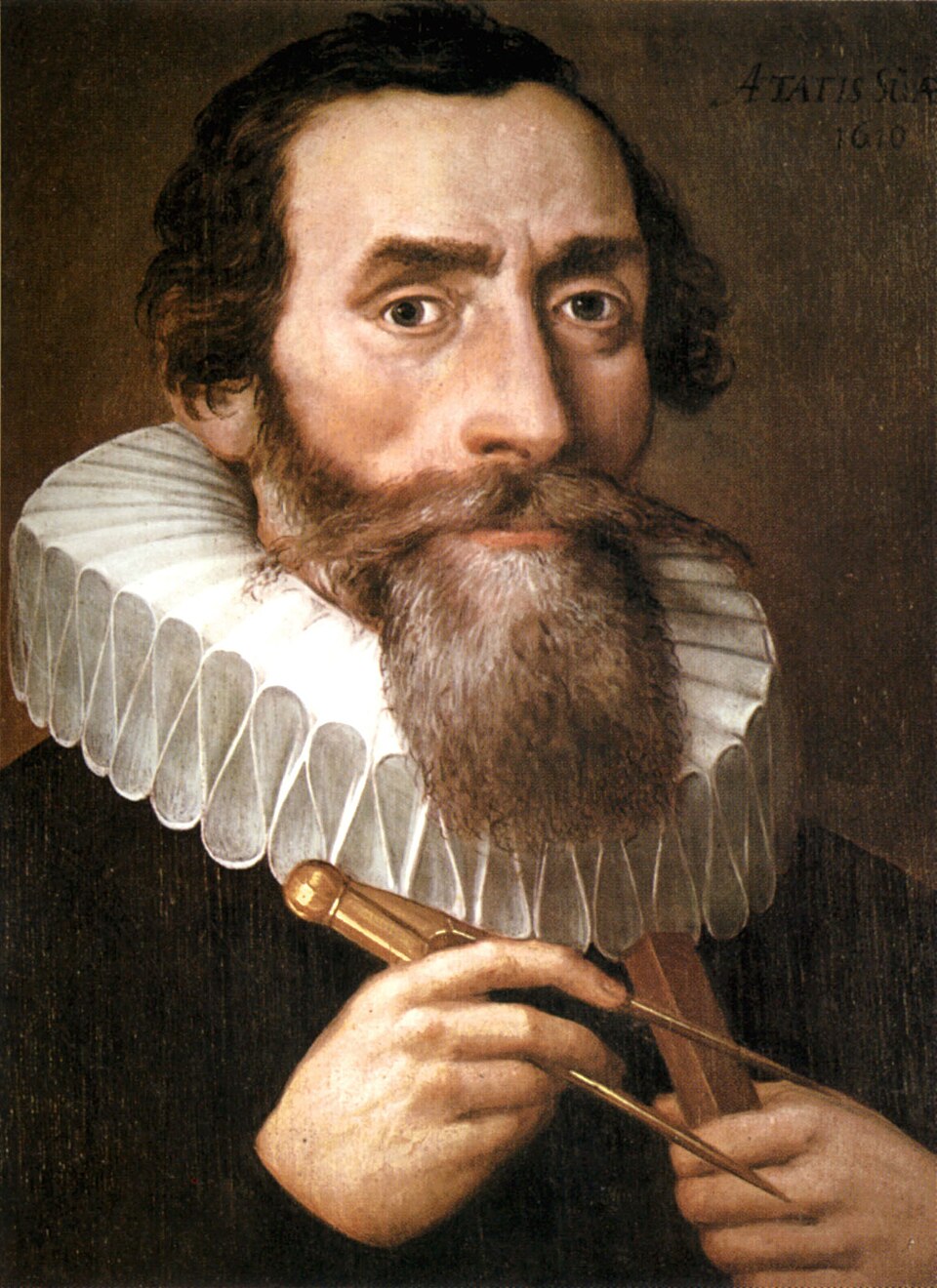
Johannes Kepler
Astronomy, astrology, and the search for universal order.
Introduction: The Figure Between Worlds
Johannes Kepler (1571–1630) is one of the defining figures of the early modern era. He stands at the threshold between medieval cosmology and modern science.
What is often forgotten today: Kepler was not only an astronomer, but also a practicing astrologer. For him, these two fields were not contradictory, but different approaches to the same underlying order.
Geometry as the Key to the World
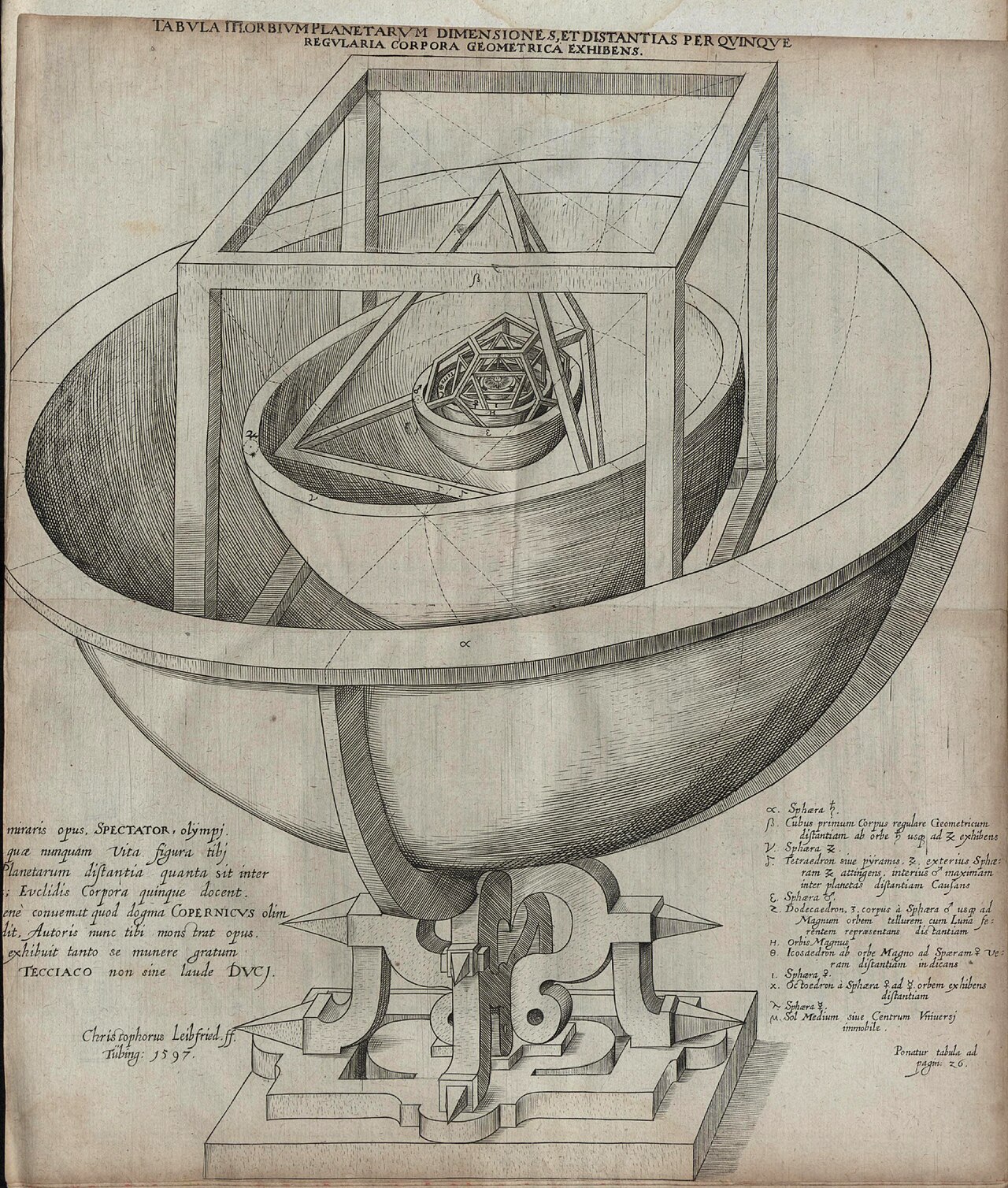
In his early work Mysterium Cosmographicum, Kepler attempted to derive the structure of the solar system from geometric solids. This was not numerological speculation, but the expression of a profound conviction:
“The world is ordered according to measure, number, and weight.”
For Kepler, geometry was not merely a tool, but a fundamental principle of reality. He saw the angles between planets not as magical signs, but as mathematical relationships of resonance.
Harmony Instead of Symbolism: The Harmony of the World
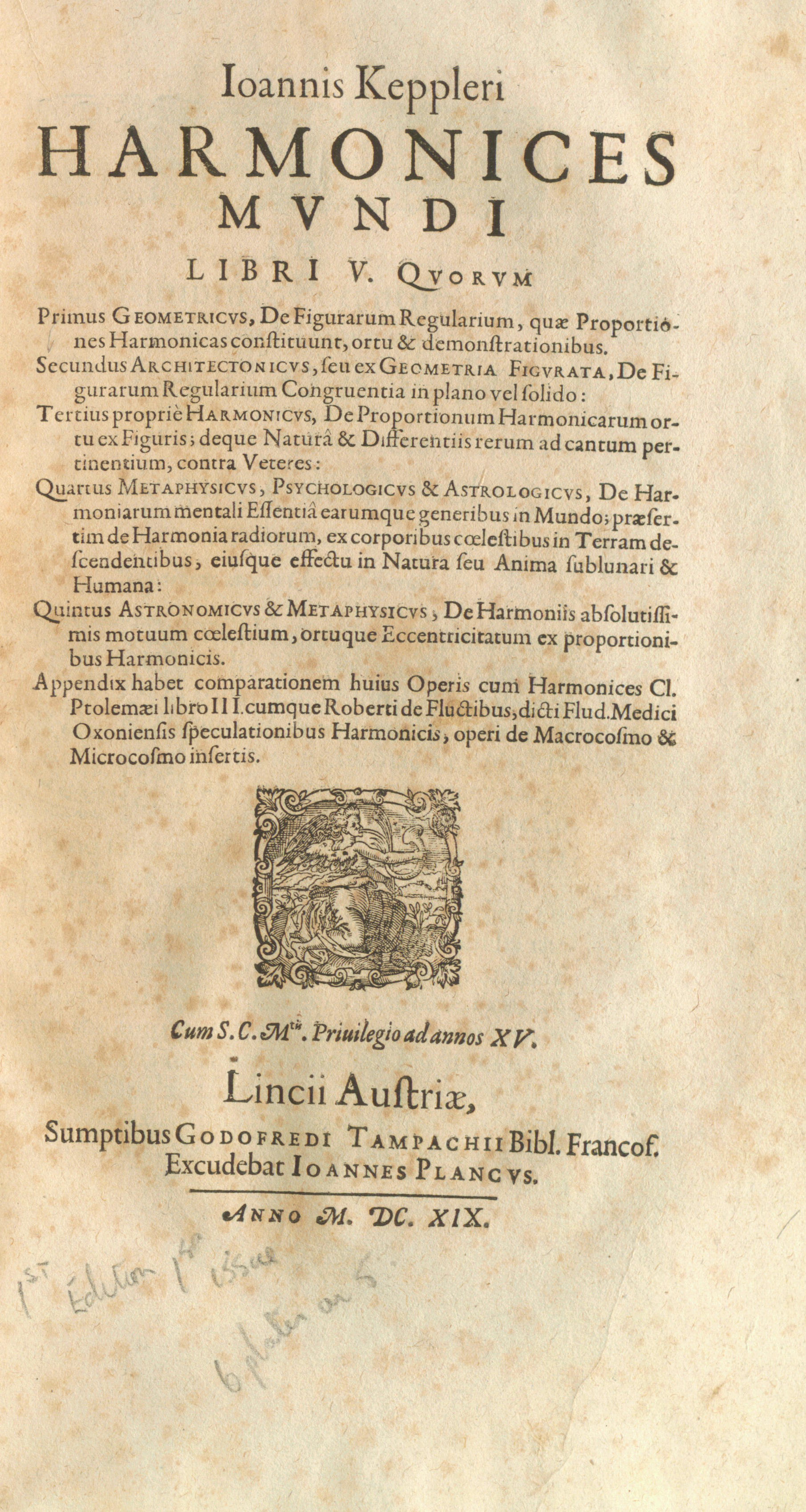
In his major work Harmonices Mundi, Kepler further developed his idea of cosmic harmony. He understood astrological aspects not as myths, but as effective geometric relationships:
- Unity: The conjunction as the point of maximum concentration.
- Tension: The opposition as a dynamic field of force.
- Stability: The trine as a harmonious proportion.
This perspective focuses on relationships and vibrational ratios.
Kepler and “Purified Astrology”
Kepler sharply criticized the “superstitions” of his era. He rejected: * Schematic systems of rulership without connection to reality. * Purely qualitative, deterministic interpretations. * The idea that planets “force” destiny.
What he established was a purified astrology — a structural model based on mathematical rigor.
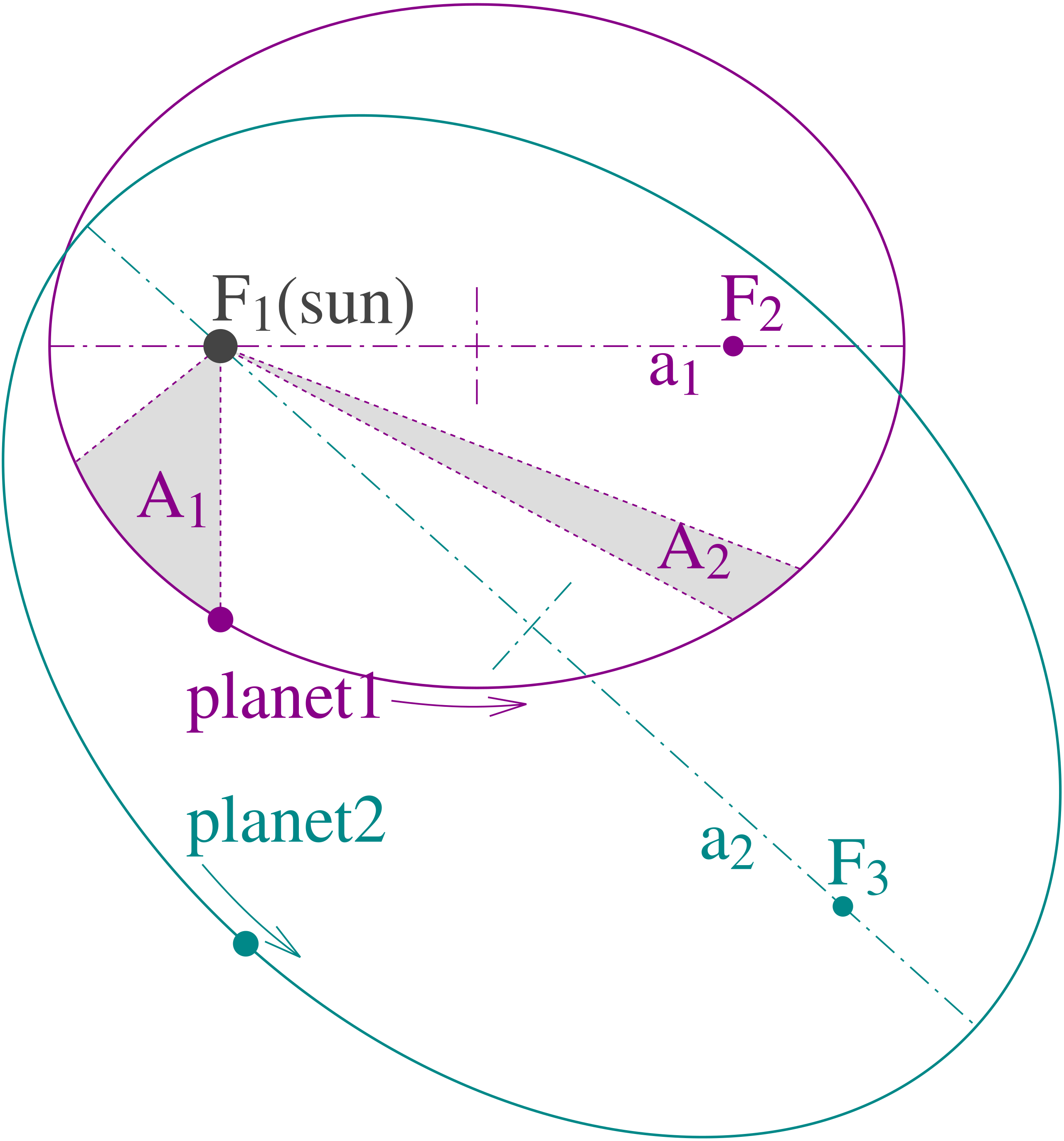
Relevance Today: The Foundation of AstroScienceHub
For us, Kepler is a methodological point of reference. He demonstrates that astrology does not have to be irrational when understood as a structural model.
AstroScienceHub follows this tradition of relational thinking: 1. Structure before interpretation: Examining the mathematical framework first. 2. Relationship before assertion: Dynamics arise from angular relationships. 3. Resonance instead of prediction: Astrological architecture as a field of resonances.
Understanding the Architecture of Partnership.
Like Kepler, we search for harmony in the interaction of forces. Discover how this legacy continues within our analyses.
Image credits: The images on this page originate from Wikimedia Commons and are either in the public domain or licensed under Creative Commons licenses.